Dining Room Furniture, Dining Room Chairs amp; Tables, Dining Room Decor
 A dining room is a available room for eating food. Today it is next to your kitchen for convenience in serving usually, although in medieval times it was often on an completely different floor level. Historically the dining room is furnished with a rather large dining table and a number of dining chairs; the most common shape is generally rectangular with two armed end chairs and a straight amount of un-armed side chairs across the long sides.In the centre Ages, upper class Britons and other Western nobility in castles or large manor properties dined in the fantastic hall. This was a big multi-function room capable of seating the bulk of the population of the homely house. The family would sit at the head table on an elevated dais, with all of those other population arrayed to be able of diminishing rank away from them. Desks in the great hall would tend to be long trestle desks with benches. The pure number of folks in a Great Hall meant it could probably have had a busy, bustling atmosphere.Suggestions that it could likewise have been quite smelly and smoky are probably, by the requirements of the right time, unfounded. These rooms possessed large chimneys and high ceilings and there would have been a free stream of air through the many door and windows openings.It really is true that the owners of such properties commenced to build up a taste for further seductive gatherings in smaller 'parlers' or 'privee parlers' off the primary hall but this is regarded as due all the to politics and sociable changes regarding the increased comfort afforded by such rooms. In the first instance, the Black Fatality that ravaged European countries in the 14th Century caused a scarcity of labour and this had resulted in a breakdown in the feudal system. Also the religious persecutions following the dissolution of the monasteries under Henry VIII made it unwise to discuss freely in front of many people.Over time, the nobility took more of their meals in the parlour, and the parlour became, functionally, a dining room (or was split into two individual rooms). It migrated farther from the Great Hall also, often accessed via grand ceremonial staircases from the dais in the fantastic Hall. Eventually eating in the Great Hall became something that was done mostly on special occasions.Toward the beginning of the 18th Hundred years, a pattern emerged where the gals of the home would withdraw after evening meal from the dining room to the drawing room. The gentlemen would stay in the dining room having drinks. The dining room tended to defend myself against a far more masculine tenor as a result.A typical UNITED STATES dining area will contain a table with recliners arranged along the factors and ends of the table, as well as other furniture pieces, (often used for saving formal china), as space permits. Often furniture in modern eating rooms will have a detachable leaf to allow for the bigger number of people present on those special events without taking up extra space when not in use. However the "typical" family dining experience is at a wooden stand or some sort of kitchen area, some choose to make their eating rooms more comfortable by using couches or comfortable chairs.In modern Canadian and North american homes, the dining room is typically next to the living room, being increasingly used limited to formal dining with guests or on special events. For informal daily foods, most medium size properties and bigger will have a space adjacent to your kitchen where table and seats can be inserted, larger spaces tend to be known as a dinette while an inferior one is called a breakfast time nook. Smaller homes and condos may instead have a breakfast bar, often of the different height than the regular kitchen counter-top (either brought up for stools or decreased for chairs). If a true home lacks a dinette, breakfast nook, or breakfast bar, then the family or kitchen room will be utilized for day-to-day eating.This was typically the truth in Britain, where the dining room would for most families be used only on Sundays, other meals being consumed in the kitchen.In Australia, the utilization of a dining area is prevalent still, yet no essential part of modern home design. For most, it is considered an area to be used during formal celebrations or events. Smaller homes, akin to the Canada and USA, use a breakfast bar or table put within the confines of a kitchen or living space for meals.
Related Images with Dining Room Furniture, Dining Room Chairs amp; Tables, Dining Room Decor
Small Dining Room Set Fresh With Images Of Small Dining Fresh In

Hillsdale Grand Bay 5 Piece Round Dining Room Set w/ Caster Chairs

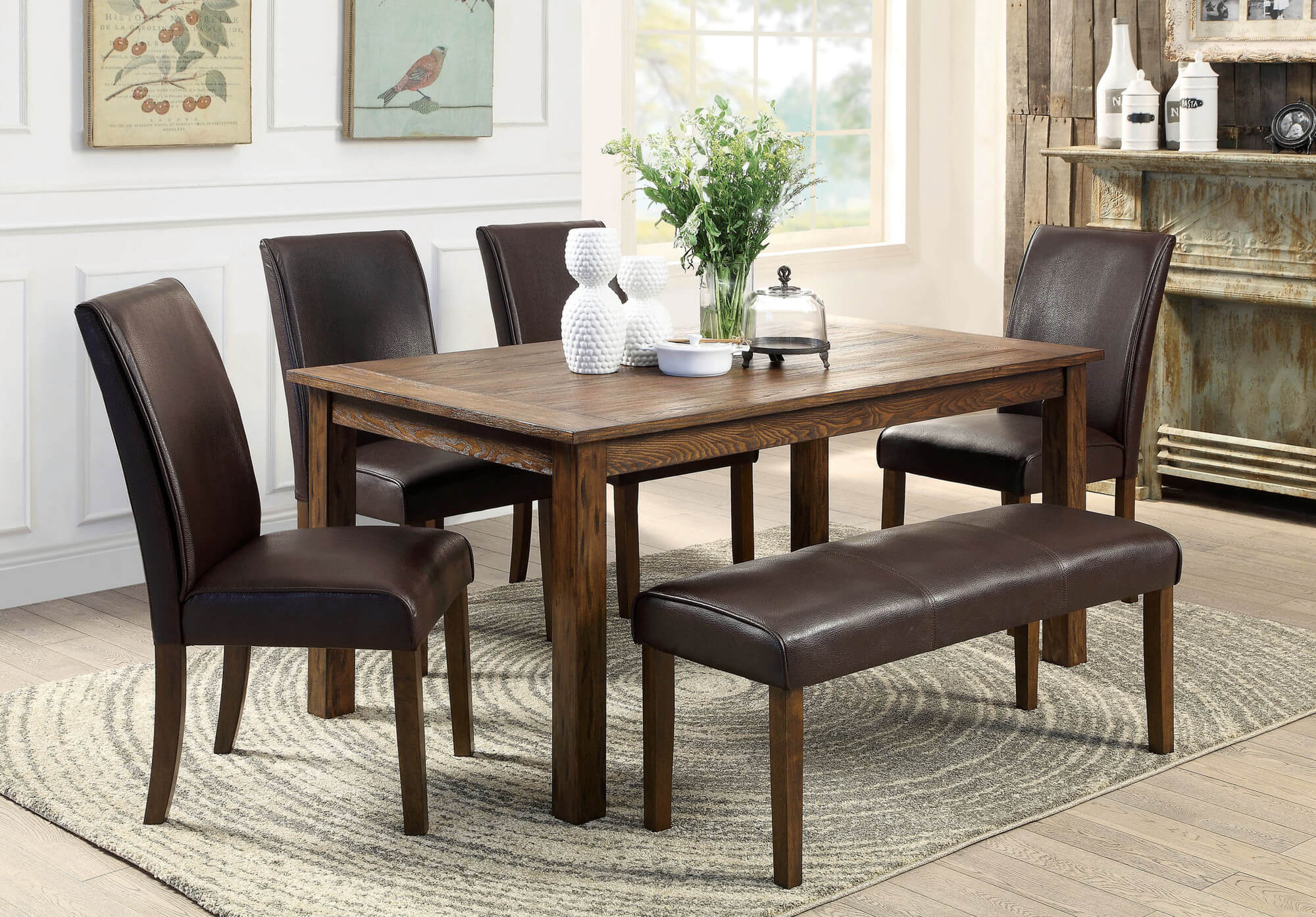
26 Big and Small Dining Room Sets with Bench Seating
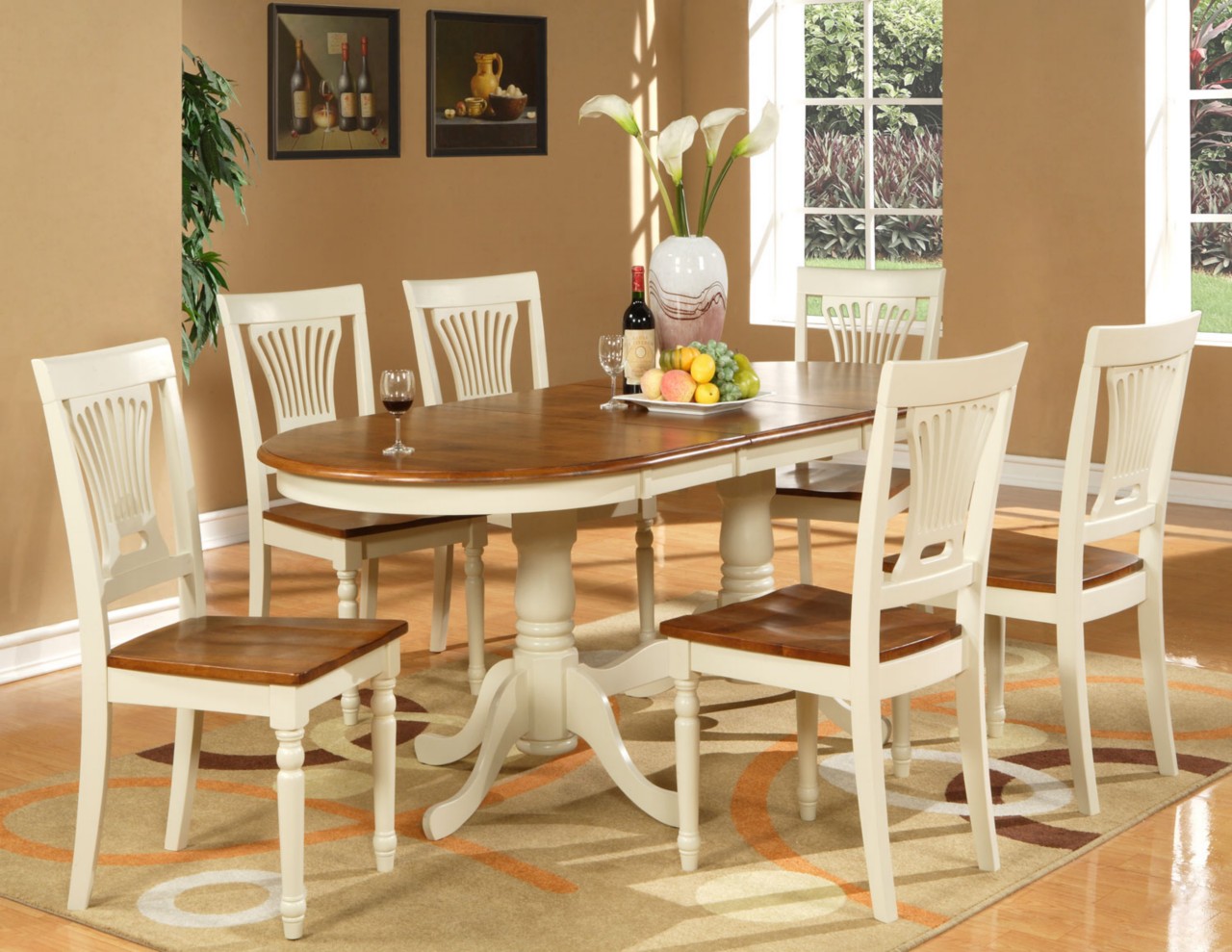
Details about 7PC OVAL DINING ROOM SET TABLE 6 CHAIRS EXTENSION LEAF
 A dining area is a available room for consuming food. Today it is adjacent to the kitchen for convenience in serving usually, although in medieval times it was often on an totally different floor level. Historically the dining room is furnished with a huge dining table and a number of dining chairs rather; the most common shape is generally rectangular with two armed end chairs and an even number of un-armed side chairs along the long sides.In the Middle Ages, upper category Britons and other Western european nobility in castles or large manor residences dined in the fantastic hall. This was a sizable multi-function room capable of seating the bulk of the population of the house. The family would sit at the top table on a raised dais, with all of those other population arrayed to be able of diminishing rank away from them. Furniture in the fantastic hall would have a tendency to be long trestle desks with benches. The large number of individuals in an excellent Hall meant it would probably have had a occupied, bustling atmosphere.Ideas that it could likewise have been quite smelly and smoky are probably, by the standards of the time, unfounded. These rooms had large chimneys and high ceilings and there would have been a free circulation of air through the numerous door and screen openings.It really is true that the owners of such properties commenced to build up a taste to get more detailed seductive gatherings in smaller 'parlers' or 'privee parlers' off the key hall but this is regarded as due just as much to political and cultural changes as to the increased comfort afforded by such rooms. In the first instance, the Black Loss of life that ravaged European countries in the 14th Hundred years caused a shortage of labour and this had resulted in a break down in the feudal system. Also the spiritual persecutions following the dissolution of the monasteries under Henry VIII made it unwise to discuss freely before large numbers of people.Over time, the nobility took more of their meals in the parlour, and the parlour became, functionally, a dining area (or was split into two split rooms). It migrated further from the fantastic Hall also, often accessed via grand ceremonial staircases from the dais in the Great Hall. Eventually eating in the fantastic Hall became something that was done mainly on special occasions.Toward the beginning of the 18th Century, a pattern emerged where the females of the house would withdraw after dinner from the dining area to the pulling room. The gentlemen would stay in the dining room having drinks. The dining room tended to take on a more masculine tenor because of this.A typical North American dining room will include a table with recliners arranged across the factors and ends of the table, as well as other furniture pieces, (often used for holding formal china), as space permits. Often dining tables in modern dinner rooms will have a removable leaf to permit for the bigger number of people present on those special situations without taking up extra space you should definitely in use. However the "typical" family dining experience reaches a wooden table or some sort of kitchen area, some choose to make their dinner rooms more comfortable by using couches or comfortable chairs.In modern Canadian and North american homes, the dining area is typically adjacent to the living room, being more and more used only for formal dining with guests or on special occasions. For informal daily foods, most medium size properties and greater will have a space adjacent to the kitchen where table and seats can be placed, larger spaces tend to be known as a dinette while a smaller one is called a breakfast nook. Smaller houses and condo properties may have a breakfast time bar instead, often of a different height than the standard kitchen counter-top (either elevated for stools or lowered for seats). If a home does not have a dinette, breakfast nook, or breakfast time bar, then your family or kitchen room will be used for day-to-day eating.This was the truth in Britain usually, where the dining area would for many families be utilized only on Sundays, other meals being ingested in your kitchen.In Australia, the use of a dining area is prevalent still, yet no essential part of modern home design. For most, it is considered an area to be used during formal occasions or festivities. Smaller homes, comparable to the Canada and USA, use a breakfast bar or table placed within the confines of a kitchen or living space for meals.


